

Papua New Guinea plans to offer 18 smaller PNG Power electricity centres through a public tender, with provincial governments encouraged to join private partners as investors. The announcement places local participation alongside a restructuring of the national utility.
The Prime Minister’s Department said on 14 November that Cabinet had approved the approach earlier this month. Kumul Consolidated Holdings will manage the process. Cabinet must approve any final sale, and a further report is due by 31 January 2027.
The centres are spread across provincial and island communities. The government says their dependence on diesel generation creates operating pressures and that electricity must continue during the transition. The announcement does not establish that buyers have been selected or services improved.
The policy brings a familiar development question into focus: how can smaller electricity systems attract investment while keeping an essential service dependable? Ownership alone cannot answer that question. Tender conditions, regulatory oversight and responsibilities for maintenance will shape what a change means for households and businesses.
For other developing economies considering decentralised utilities, the useful comparison will be the eventual service obligations and results, rather than the announcement of a transaction. Those details remain to be tested as Papua New Guinea’s tender proceeds.
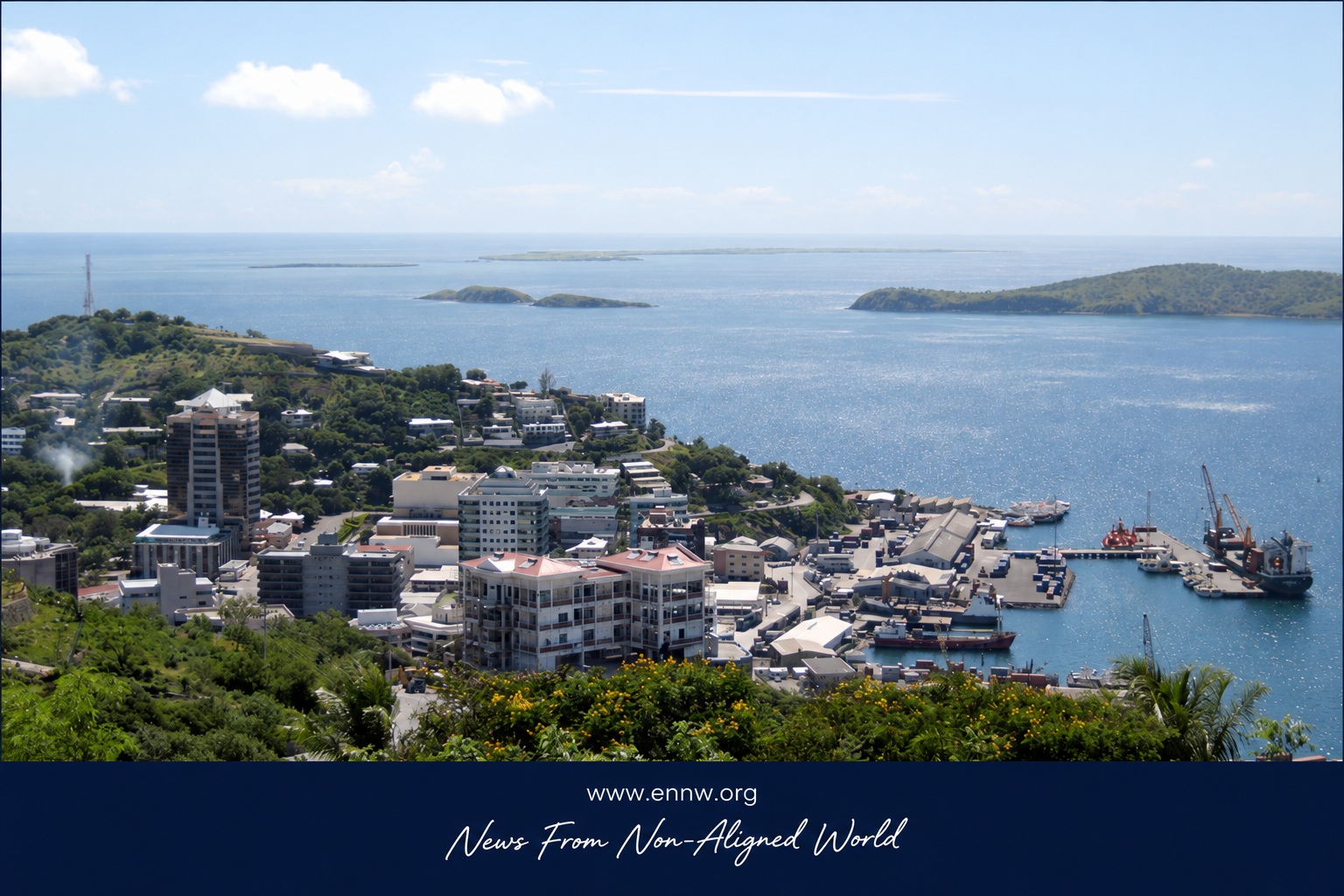
Photo illustration adapted from: MSchlauch · Public domain. Archive illustration: Port Moresby, 2008; not a photograph of the power centres. NNW branded adaptation.

