

A place at school is one part of educational access. The language of instruction, the support available on arrival and the routes into further study can shape what students are able to do with that place.
An Indian Prime Minister’s Office release on 15 November drew attention to the Eklavya Model Residential Schools programme through an article by Vice President C. P. Radhakrishnan. It described bridge courses, bilingual teaching, digital classrooms, sport and vocational training as elements of the approach.
The release also referred to students entering institutions including IITs and AIIMS. It did not provide a cohort-level admissions dataset, so those examples should not be treated as a measured programme-wide success rate.
The combination of language support and wider development is relevant to education systems serving communities with different linguistic backgrounds. A student may need help adjusting to a new learning environment while retaining the ability to learn through familiar language.
The useful question extends beyond the presence of a particular technology or activity. How do these elements work together over a school year, and how consistently can students access them? The official discussion identifies a set of educational tools; evaluating their results requires evidence about participation, learning and progression over time.
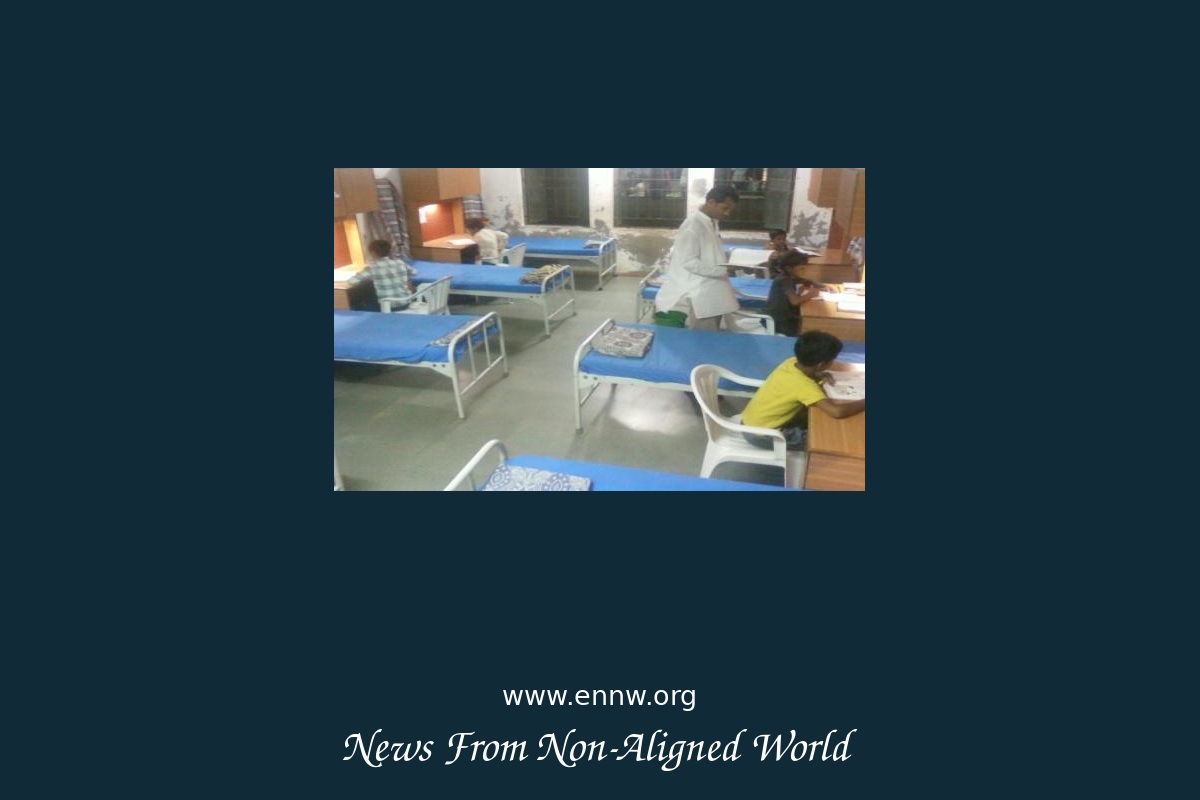
Photo: મિહિર · CC BY-SA 4.0. Archive EMRS Vankuva illustration; not a current programme assessment. Photo date: 2015-10-01. Resized and framed by NNW; framed photograph under the same licence.

