

Caribbean health specialists are working to join information that often sits in separate systems: human illness, animal health, laboratory findings and environmental conditions. A recent regional workshop brought that One Health approach into practical discussion.
Guyana’s Department of Public Information reported on 16 November that participants from 14 Caribbean Public Health Agency member states took part. The programme included a demonstration of a foodborne-disease and zoonoses module within CARPHA’s regional early-warning surveillance systems.
CARPHA’s own programme record describes earlier work on integrated surveillance and a digital One Health platform established in 2025. The latest activity therefore sits within an ongoing effort, rather than representing the creation of regional cooperation from scratch.
The underlying purpose is straightforward: a warning becomes more useful when the relevant agencies can recognise it together and know who should respond. Shared technology can assist that process, but reporting definitions, laboratory capacity and responsibilities for action still matter.
For small states sharing travel and trade links, cooperation offers a way to build capabilities collectively while preserving national responsibilities. The workshop demonstrates coordination and training activity. It does not, by itself, establish that outbreaks have been prevented or that disease incidence has fallen; those claims would require surveillance results over time.
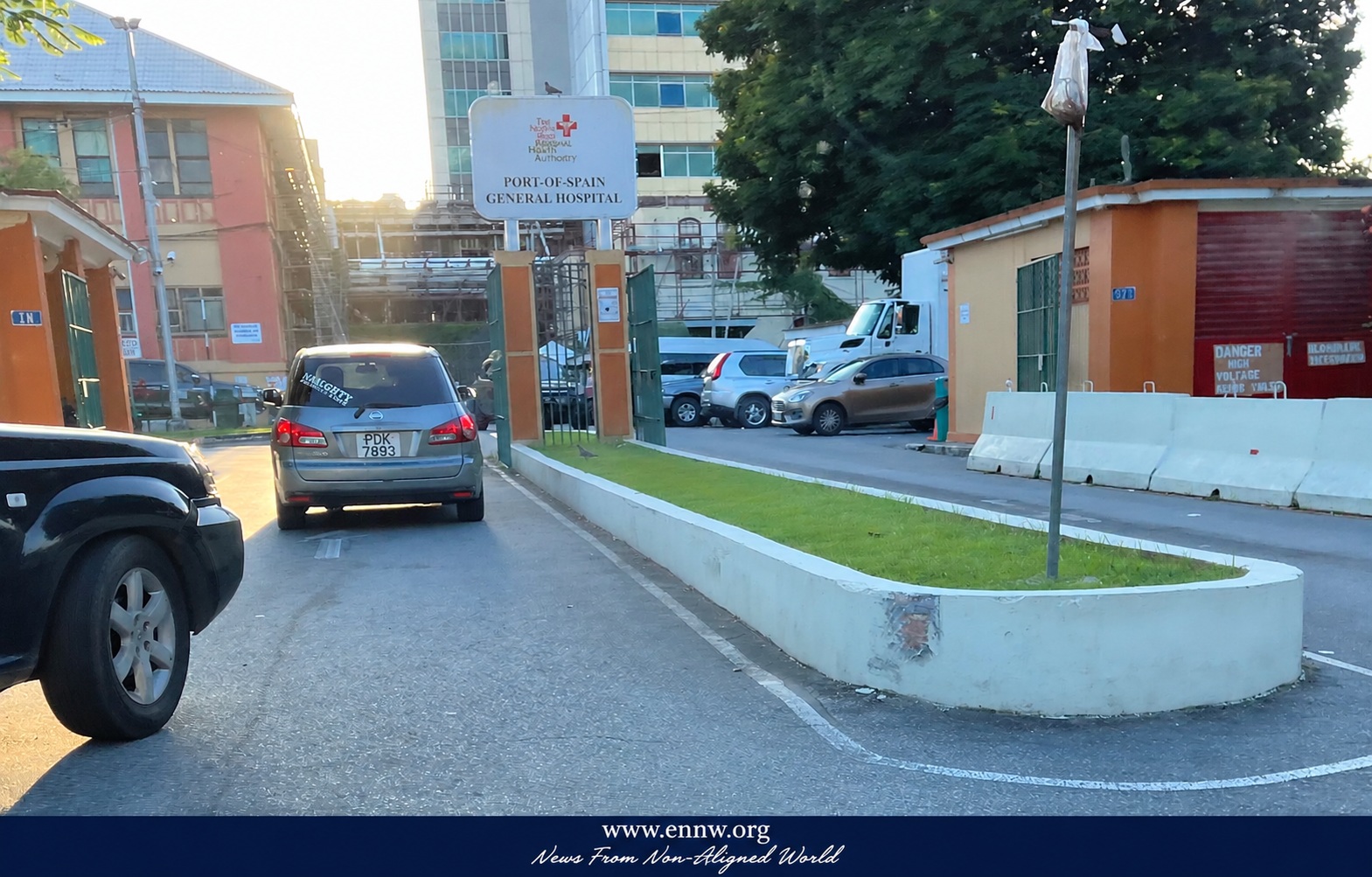
Photo illustration adapted from: LittleT889 · CC0. Archive illustration: Port of Spain General Hospital, 2024; not the One Health workshop. NNW branded adaptation.

