

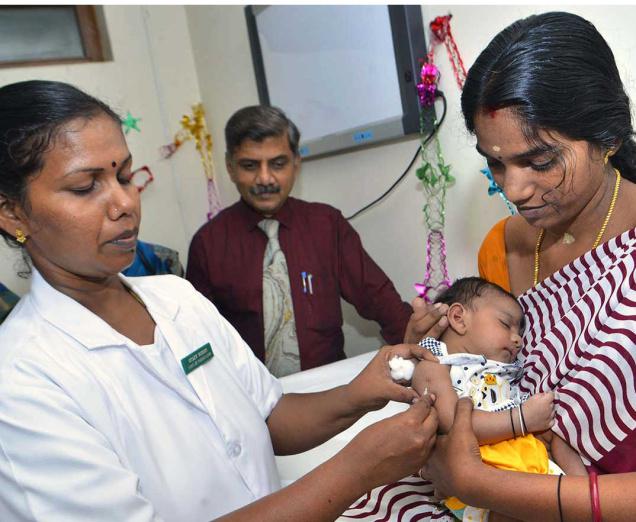
Polio prevention has two connected tasks: protect children through vaccination and detect where the virus is still circulating. Progress in one area does not remove the need for the other.
WHO’s emergency committee statement published on 13 November reviewed wild and circulating vaccine-derived polioviruses. The committee met on 30 September, a distinction that matters when interpreting its figures: publication this week does not make every assessment a real-time count for November.
The statement described continuing wild-poliovirus transmission in Afghanistan and Pakistan, alongside a declining overall trajectory in cases and environmental positivity in the period assessed. It also considered updates from several African countries.
The committee highlighted the importance of reaching children consistently, including in areas affected by operational and security constraints. Cross-border epidemiological corridors underline why cooperation between neighbouring health systems remains essential.
WHO’s fact sheet explains that polio has no cure, while vaccination can prevent it. It also describes surveillance and immunisation infrastructure as assets for wider public health.
Environmental monitoring adds another layer: detecting the virus in a sample and identifying a person with paralytic disease are different observations. Both can inform the response, but they should not be combined into a single case total.
The practical objective is shared protection. Reliable access for vaccination teams, follow-up for missed children and clear interpretation of surveillance help turn a global eradication goal into work that can be carried out locally.
Sources: WHO: polio emergency committee statement, 13 November 2026; WHO: poliomyelitis fact sheet. This feature draws on published institutional information; explanatory interpretation is NNW’s own.
Photo: Smartshiva1988 / Wikimedia Commons, CC BY-SA 4.0

