

A legal-awareness visit to islands north of Efate has highlighted an often overlooked part of access to justice: people must hear about a service, understand it and be able to attend before it can help them.
Vanuatu’s Public Solicitor’s Office reported on 11 November on outreach conducted from 2 to 6 November across Lelepa, Moso, Pele and Nguna. The visits combined public information with opportunities to seek free legal assistance.
The office’s account is candid about practical limitations. It describes conflicting activities, gaps in communication and the absence of some residents undertaking seasonal work. Its proposed adjustments include involving chiefs more directly in advance arrangements and aligning future visits with existing community meeting days.
An earlier Right to Information Unit field report from the same island area describes teams travelling by boat, on foot and by pickup between villages. That separate account helps explain why scheduling and local coordination are substantive parts of public outreach, rather than minor administrative details.
These details matter as much as the number of islands visited. A travelling clinic can reduce the need for a resident to make a separate journey, but it cannot resolve a problem if the intended users miss the visit or misunderstand its purpose.
For dispersed communities elsewhere in the Global South, the account offers a grounded public-service lesson: outreach needs coordination around people’s routines as well as transport. It records an activity and operational lessons, not a measured improvement in case outcomes. The next test is whether changes to planning make later visits easier to use.
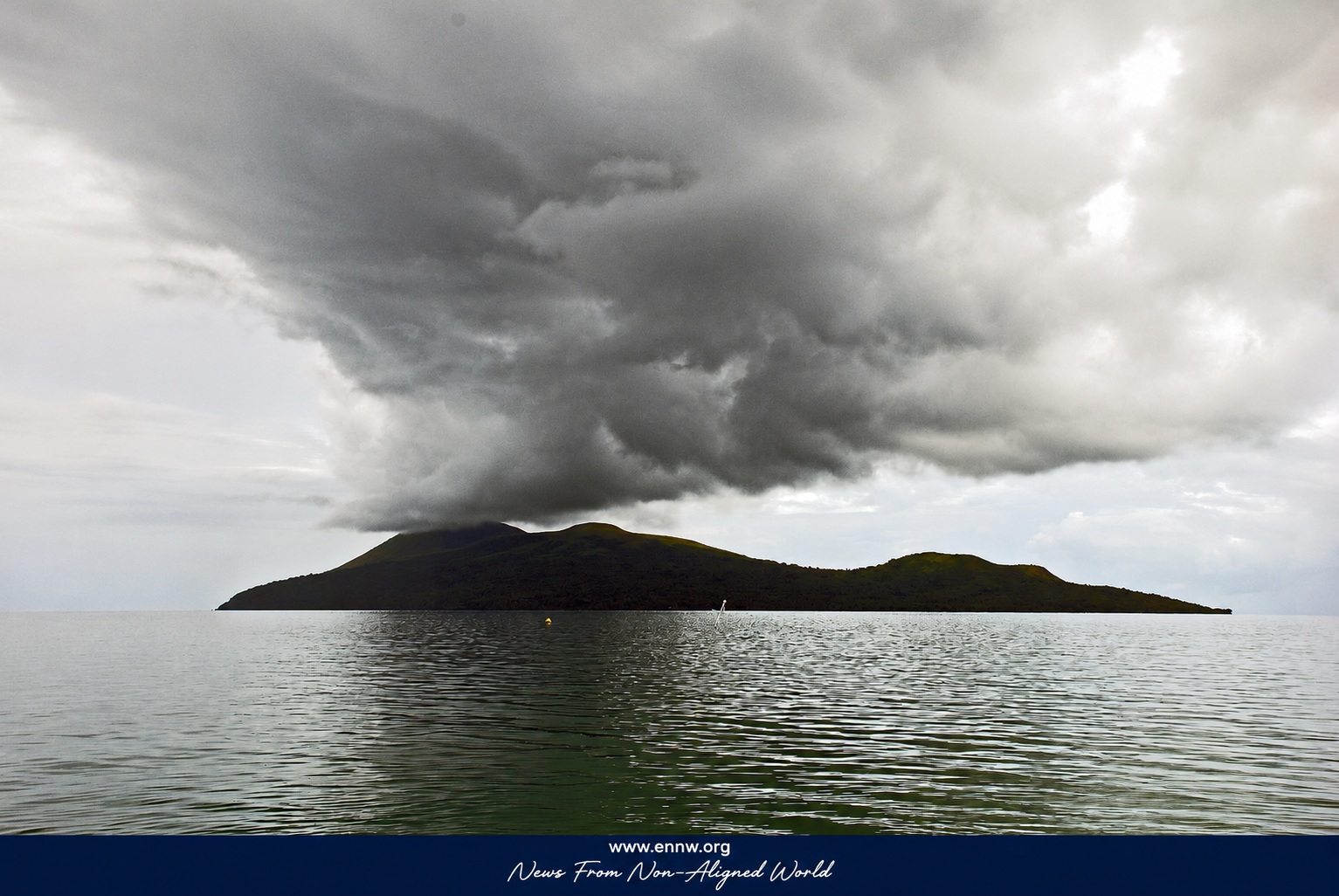
Photo illustration adapted from: Phillip Capper · CC BY 2.0. Archive illustration; not a photograph of the reported event. NNW branded adaptation.

