

A cultural object carries more than its appearance. Its place of origin, ownership history and route into a collection help establish what it is and whether it can be lawfully traded. Protecting those records is part of protecting the heritage itself.
The International Day against Illicit Trafficking in Cultural Property, observed on 14 November, draws attention to the responsibilities of governments, institutions, dealers and buyers. UNESCO presents cooperation and due diligence as central to preventing theft, looting and unlawful transfers.
The 1970 Convention provides an international framework for action against illicit import, export and transfer of ownership. UNESCO’s work links that framework with prevention, the return and restitution of objects, and capacity-building.
For a museum or collecting institution, the practical starting point is knowing what it holds. Inventories and provenance research help make questions about an object answerable. For a buyer, an attractive description is not a substitute for checking its history and the relevant documentation.
The issue is especially important for communities whose heritage is dispersed or at risk. Records can support identification and dialogue, while institutions and authorities must assess individual cases under applicable arrangements.
The international day is an occasion for scrutiny rather than a declaration that every disputed object has the same history or legal position. Claims require evidence.
Stronger documentation, ethical acquisition and cooperation offer a constructive shared agenda: preserving knowledge about cultural objects while giving legitimate questions about their movement a process through which they can be examined.
Sources: UNESCO: International Day against Illicit Trafficking in Cultural Property; UNESCO: 1970 Convention and international cooperation. This feature draws on published institutional information; explanatory interpretation is NNW’s own.
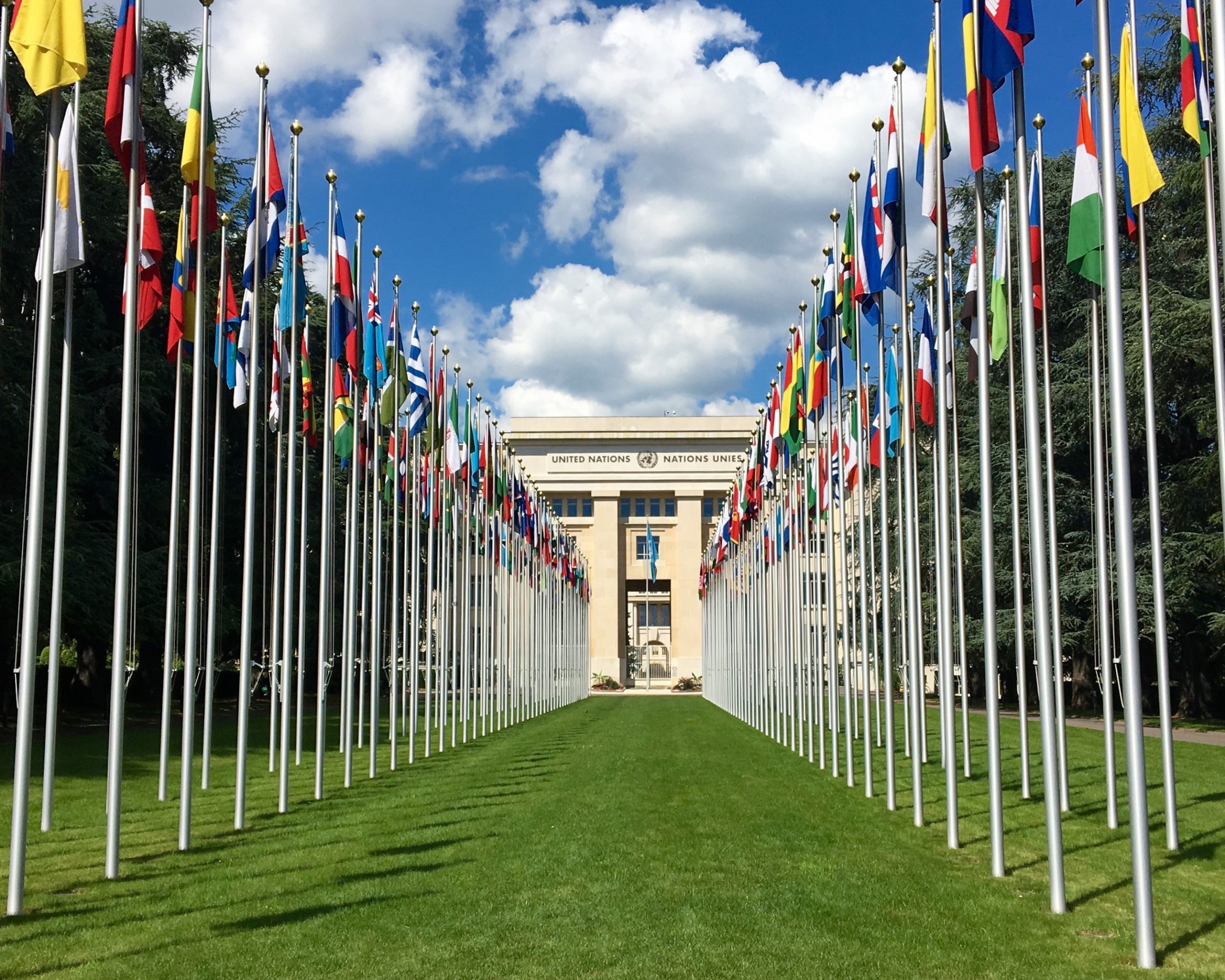
Photo: Groov3 / Wikimedia Commons, CC0 1.0

