

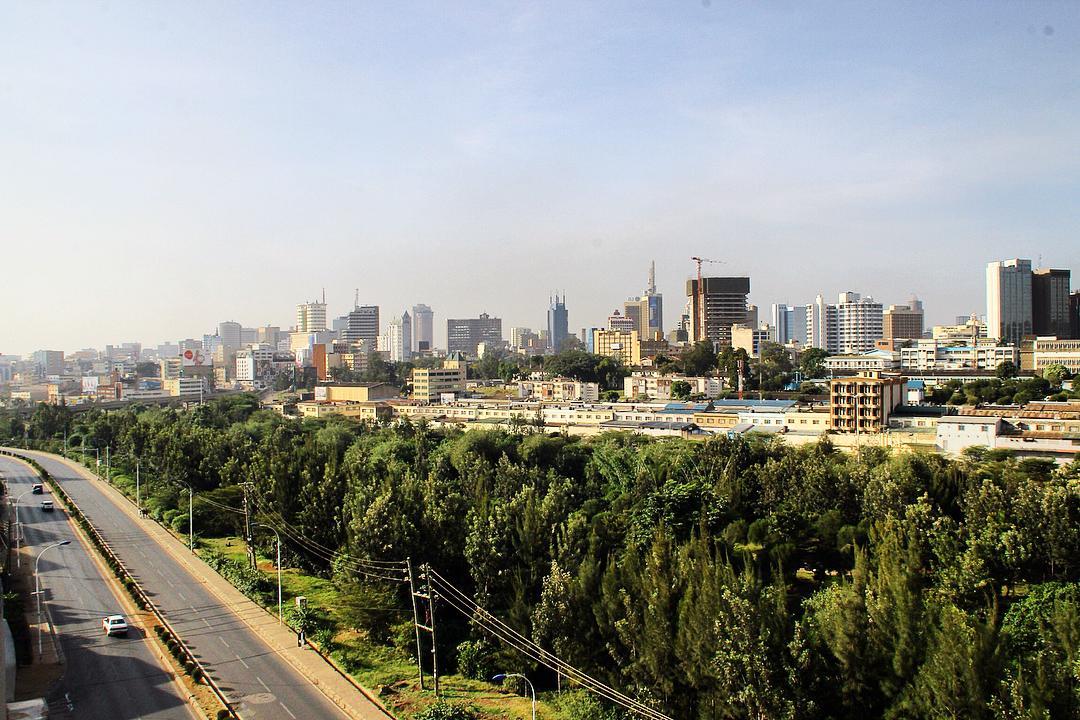
A cooler city is not simply a city with more air conditioners. It is also one where a child can reach school in shade, a building gains less heat and public services understand which neighbourhoods face the greatest exposure.
UNEP’s 13 November COP31 update highlighted its Beat the Heat initiative, describing participation by around 300 cities and states across 45 countries. The programme’s first-year examples include heat-risk mapping, warning systems, cooler schools and greener public spaces.
The wider cooling challenge combines adaptation with energy use. IFC and UNEP’s earlier cooling analysis explains that passive measures, including shade and reflective materials, can sit alongside more efficient equipment.
For urban authorities, this suggests a practical sequence. Understand the local risk, identify the buildings and public spaces where action would matter, and connect those choices with maintenance and service responsibilities.
A planted tree, a roof treatment or a warning message serves a different function. Their value depends on the setting and on whether people can use the protection provided. A programme total does not by itself establish the temperature reduction achieved in an individual neighbourhood.
That makes evidence important. Cities can document where interventions are installed and assess whether they reduce exposure or improve access to cooler spaces, rather than relying solely on the number of projects announced.
The emerging approach treats heat resilience as everyday urban work. Building design, school grounds, streets and local information systems become part of the response, with efficient cooling equipment supporting needs that passive measures cannot meet.
Sources: UNEP: climate-action update, 13 November 2026; IFC and UNEP: sustainable cooling background. This feature draws on published institutional information; explanatory interpretation is NNW’s own.
Photo: Nbi101 / Wikimedia Commons, CC BY-SA 4.0

