

Table of Contents
India has proposed four areas for expanded cooperation with Small Island Developing States, placing coastal warning systems, ecosystem protection, renewable energy and institutional capacity on the agenda at a ministerial meeting during COP31.
The proposals were outlined by India’s environment minister in a government statement published on 17 November. They cover coastal-risk assessment and early warning; protection and restoration of mangroves, coral reefs, seagrass and related ecosystems; island-appropriate renewable-energy and water solutions; and capacity building.
The minister referred to Indian experience in ocean forecasting and coastal management and connected possible cooperation with initiatives including the International Solar Alliance, the Coalition for Disaster Resilient Infrastructure and the Forum for India–Pacific Islands Cooperation.
These are proposed priorities and offers to share experience. The announcement did not set out a quantified new financing package, identify projects approved in each island country or demonstrate completed delivery. It also should not be taken to mean that every participating state has endorsed the same approach.
Island priorities must shape cooperation
Small-island states share exposure to climate risks, but they are not a single policy environment. Geography, public finances, energy systems and institutional capacity vary widely across the Caribbean, Pacific, Indian Ocean and Atlantic.
Cooperation is most useful when island governments and communities define the problem. A coastal-warning system, for example, needs to match local hazards and communication habits. Technical data are only one part of the chain; warnings must reach people in a form they trust and understand, including those in remote areas.
The same principle applies to ecosystem restoration. Mangroves, coral reefs and seagrass can reduce coastal risk and support fisheries, but restoration projects require local ecological knowledge, long-term maintenance and protection from the pressures that caused degradation.
Projects designed mainly to demonstrate a technology may struggle after external support ends. Island-led planning can connect an intervention with land-use rules, livelihoods and public services.
Renewable energy and water are linked
Small islands often depend on imported fuels and face high electricity costs. Renewable-energy systems can reduce exposure to fuel-price shocks, but island grids have limited scale and may need storage, modern controls and resilient infrastructure.
Water systems create another layer of demand. Desalination and pumping can be energy-intensive, while drought and saltwater intrusion threaten freshwater supplies. Integrated energy-and-water planning can therefore produce greater value than separate projects.
Financing terms are crucial. Small states can face high borrowing costs even when their projects have clear climate benefits. Grants, guarantees and concessional finance may be needed to avoid adding to debt burdens. The 17 November proposal did not announce a specific funding facility, leaving the financial route as an open question.
Capacity means more than training
Institutional capacity is frequently listed as a cooperation priority. It should include long-term staffing, data systems, maintenance budgets and authority to coordinate across agencies, not only short courses or visiting experts.
Regional institutions can help small administrations share technical expertise and procurement. They can also reduce duplication when countries face similar challenges. Cooperation with India and other partners should strengthen those regional mechanisms where they already exist.
A test of partnership
The four proposed areas align with widely recognised resilience needs. Their significance will depend on what follows: requests from island countries, agreed programmes, transparent financing and evidence that local institutions can operate the systems after external partners leave.
Small-island states have repeatedly argued that climate vulnerability should influence access to finance and technology. Partnership should respond to that position rather than treating islands as a laboratory for outside solutions.
The COP31 discussion provides a useful opening. The next step is to move from broad shared language to island-led projects with clear responsibilities, sustainable funding and public reporting. That is where cooperation becomes resilience rather than another declaration.
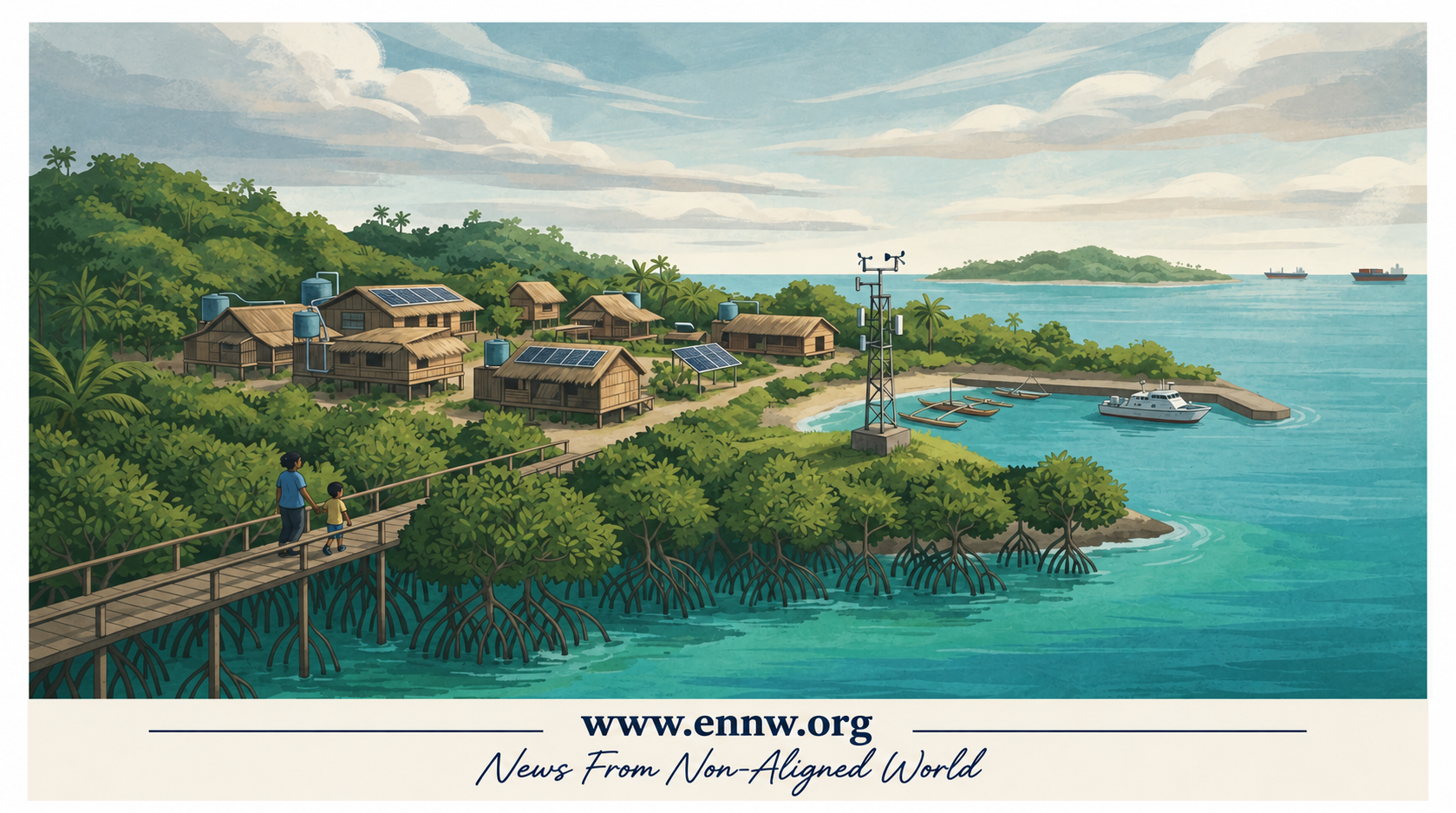
Conceptual illustration.
