

A shirt and a building may seem to belong to different industries. Both depend on material choices made along a supply chain, and both raise a difficult question: how can the people using a finished product know what went into it?
UNEP set that question within a wider policy and business agenda for its First Global Supply Chains Forum, listed for 12–13 November in Geneva. Its focus was circular and chemical-safe fashion and construction supply chains.
The published programme included transparency and traceability, financing, policy frameworks and circular business models. It also provided for country-project examples and a presentation of materials and design approaches intended to reduce hazardous chemicals.
These themes connect two ambitions that need to be considered together. Keeping materials in use for longer is a resource objective; understanding their chemical content is important when deciding how they can safely move through another use cycle.
For a supplier, the practical work can involve obtaining dependable information from earlier stages of production. For a buyer, it means asking for evidence that supports a safety or circularity claim rather than accepting a broad label.
The forum was positioned ahead of the Global Framework on Chemicals conference scheduled for 16–20 November. The agenda establishes the issues participants were invited to address; it does not confirm that new binding rules or industry-wide agreements resulted.
The useful next step is to follow the methods and projects emerging from such cooperation: what information travels with a material, who can check it and how safer alternatives become commercially workable.
Sources: UNEP: First Global Supply Chains Forum, 12–13 November 2026; UNEP: programme on hazardous chemicals in supply chains. This feature draws on published institutional information; explanatory interpretation is NNW’s own.
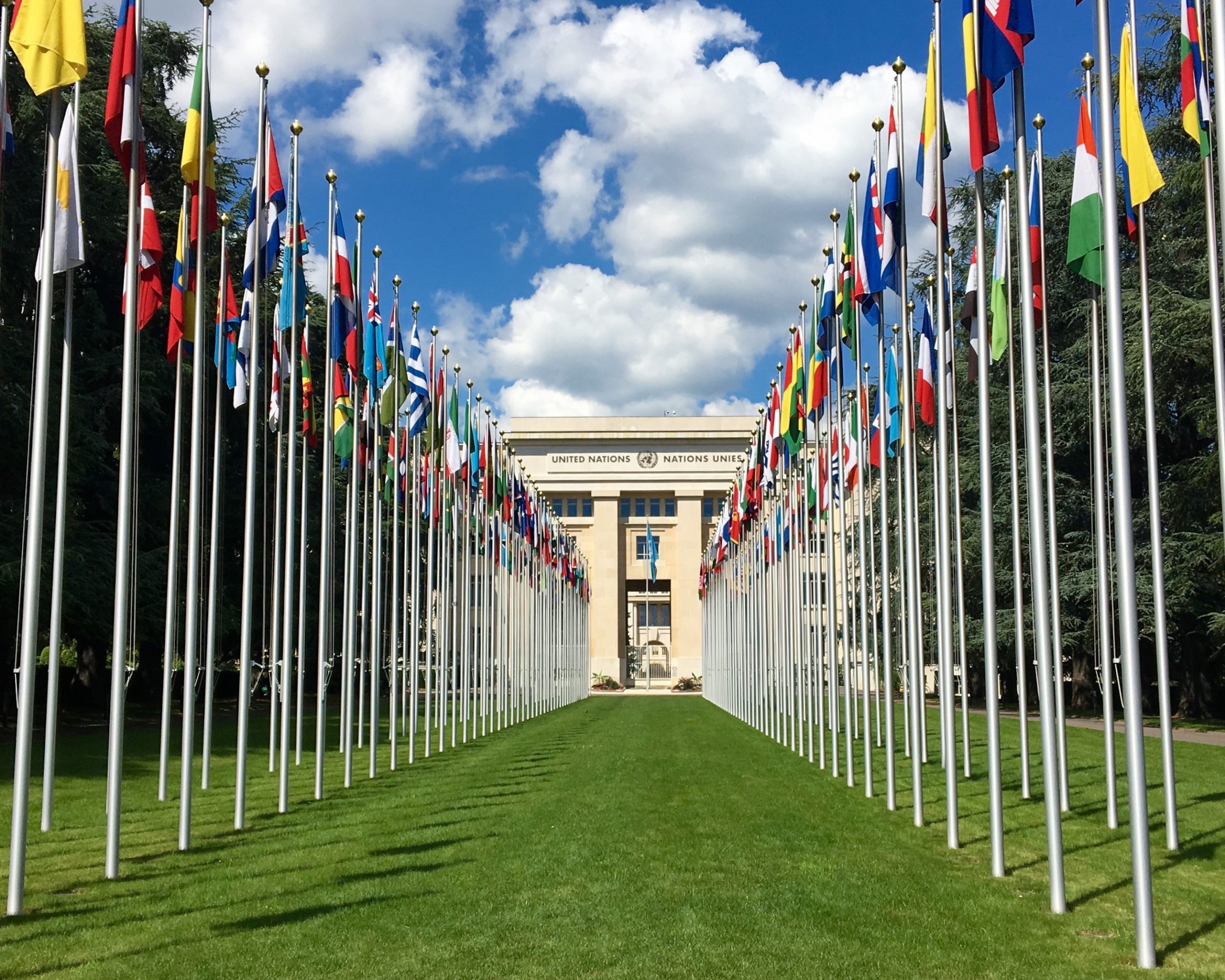
Photo: Groov3 / Wikimedia Commons, CC0 1.0

