

NNW analysis — Barbados’s latest discussion of intellectual-property enforcement raises a development question that extends beyond legal terminology: can a small creator make effective use of the protection that exists on paper?
A two-day regional workshop for enforcement officials opened on 16 November, according to the Barbados Government Information Service. Officials linked intellectual property with entrepreneurship and creative livelihoods, while describing work toward a national strategy. The announcement did not report the adoption of a new strategy or law.
The distinction matters. A musician or manufacturer needs more than recognition that an idea has value. Identifying a problem, understanding available procedures and pursuing a proportionate remedy all affect whether protection is usable. Strong institutions can make those steps clearer; complexity can make a formal right difficult to exercise.
Regional cooperation is relevant where markets and distribution cross borders. Yet coordination needs to account for the resources available to smaller businesses as well as the responsibilities of enforcement agencies. Counting workshops alone would reveal little about either.
The useful test for Barbados and other developing economies is therefore practical: whether creators can understand the system and whether legitimate enterprise can rely on fair, predictable treatment. This is an assessment of the policy challenge, not a claim that the current workshop has already increased incomes or reduced infringement.
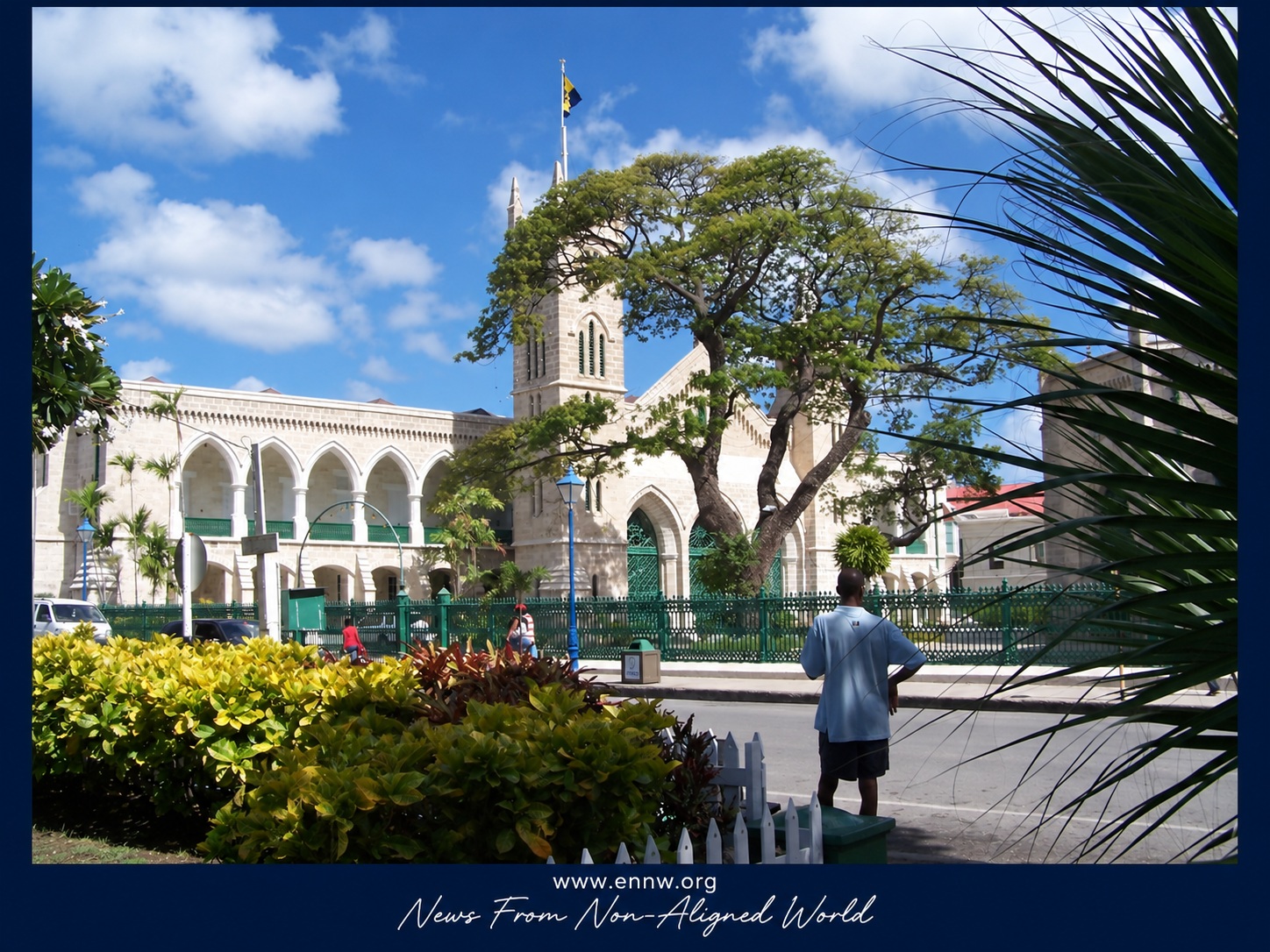
Photo illustration adapted from: Kevin Gabbert · Public domain. Archive illustration: Parliament, Bridgetown, 2007; not the workshop. NNW branded adaptation.

