

A grant, an insurance payment and a recovery loan can all support a damaged home, but they impose different obligations on a household. Jamaica’s account of housing assistance after Hurricane Melissa makes those distinctions visible.
Jamaica Information Service reported on 13 November that the National Housing Trust had processed 7,600 grant applications representing approximately J$2.9 billion in assistance. The programme formed part of a wider set of measures that also included insurance, a mortgage-payment moratorium, loans and modular housing.
The word processed should not automatically be converted into a count of completed home repairs. The report describes assistance and administrative progress; it does not provide a household-level audit of building outcomes.
NNW’s analysis is that recovery finance becomes easier to assess when each instrument has a clear purpose. A grant can help a household unable to borrow more. Insurance responds to covered losses. A loan may suit a different need and repayment capacity. Combining them in one headline total can obscure who receives what.
For climate-exposed developing economies, the reporting question is therefore both financial and practical: what support was available, when could people use it and what did it help restore? Clear categories make that assessment more useful to the families and institutions preparing for future disruptions.
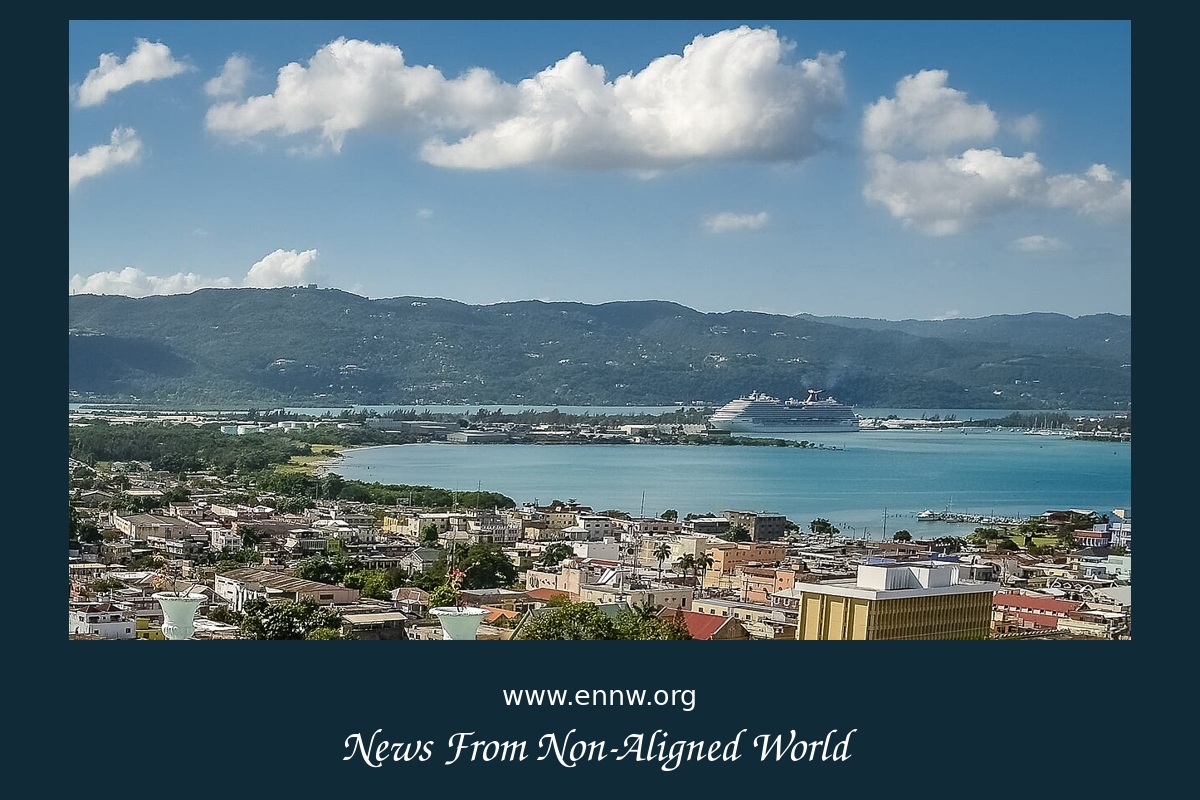
Photo: Grahampurse · CC BY-SA 4.0. Archive Montego Bay harbour illustration; not the hospital or hurricane damage. Photo date: 27 January 2017 (upload date). Resized and framed by NNW; framed photograph under the same licence.

