

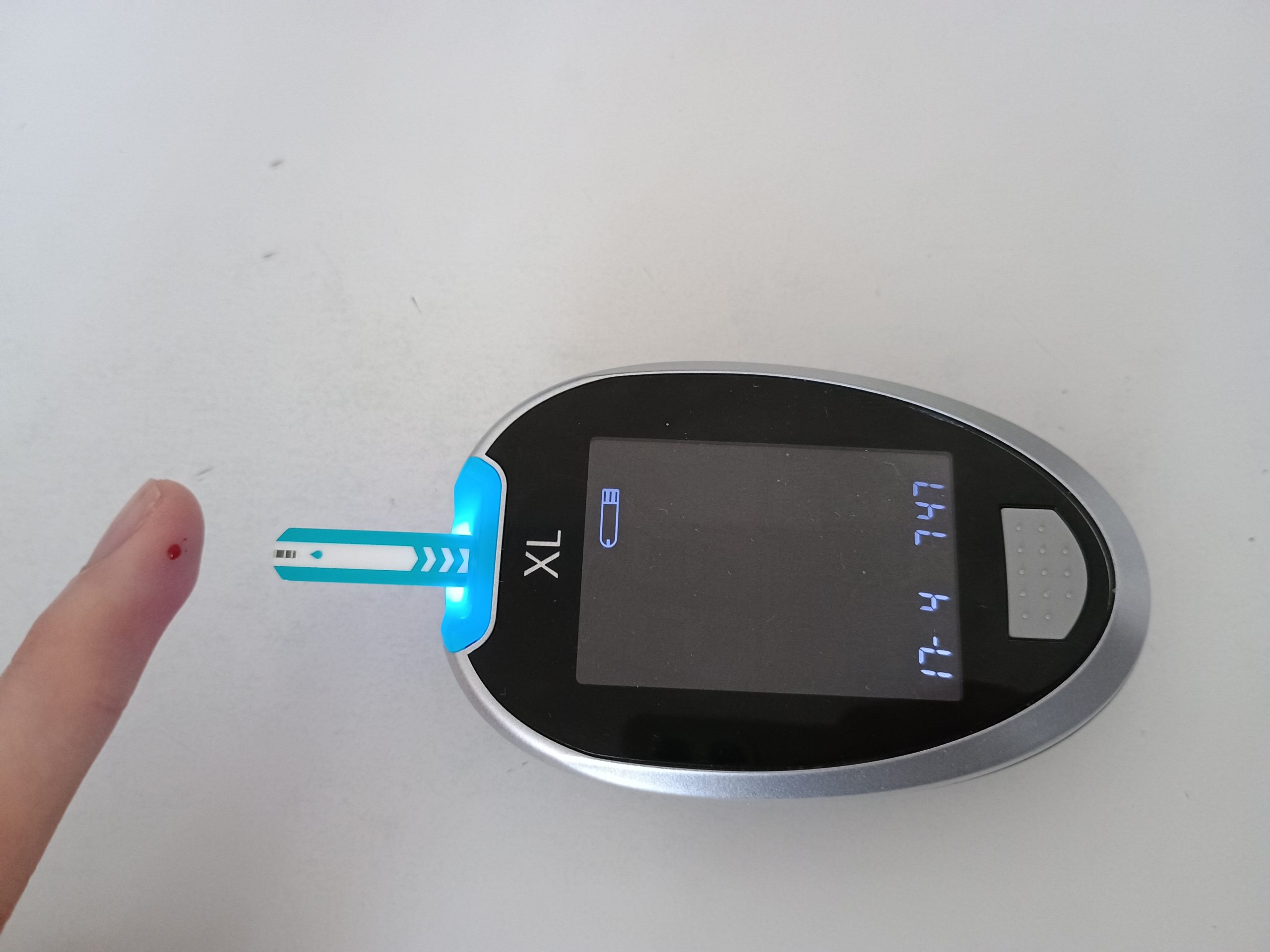
Insulin is a daily necessity for people living with type 1 diabetes. A health system’s challenge is to make that care reliable across ordinary appointments, emergencies and disruptions. WHO’s first guidelines on type 1 diabetes in adults address that range of settings.
Released on 14 November, the guidance covers diagnosis and management, including insulin treatment and glucose monitoring. WHO says it is designed for use across resource settings, including humanitarian emergencies. The organization estimates that about 9.5 million people were living with type 1 diabetes in 2025.
The release identifies human insulin as an effective option and supports appropriate monitoring. It also encourages countries to involve people with type 1 diabetes in designing and evaluating programmes. The guidelines are institutional recommendations; they do not establish that access has already improved in any particular country.
For policymakers, continuity has several connected parts. A medicine must be obtainable, monitoring must be workable and patients need a service they can return to. A programme can purchase supplies without yet knowing whether they consistently reach the people who need them.
The next reporting question is how countries adapt the guidance to delivery: which services take responsibility, what patients can access and how interruptions are tracked. Those are implementation questions rather than a reason to assume one model will suit every setting. This feature reports the policy development and does not replace individualized clinical advice.
Photo: Roy Zuo / Wikimedia Commons, CC BY-SA 4.0

