

JUBA, 23 November 2026 (NNW Bureau) — Local authorities in South Sudan have reported the deaths of 24 civilians in violence in Warrap State, adding to concerns about civilian protection and the fragility of security in parts of the country.
The reported incident took place over the weekend in a rural cattle-keeping community. Authorities said women and children were among those killed. The casualty figure and the circumstances of the attack were drawn from local official accounts and had not been independently verified as of Monday.
Competing accounts of responsibility
Local officials blamed fighters linked to the armed opposition, while details of who participated and why the violence occurred remained disputed. Public accusations in a conflict setting require careful verification, particularly when residents may have limited communications access and witnesses face safety risks.
Warrap has periodically experienced deadly communal violence and armed confrontations. Competition over cattle, land and seasonal grazing routes can intersect with broader political tensions, making it difficult to draw a simple line between local disputes and national security dynamics.
South Sudan became independent in 2011 but has experienced years of conflict and a fragile political transition. Continued insecurity in individual states threatens livelihoods and can drive displacement even when fighting does not spread to the national capital.
Civilians face consequences beyond immediate losses
Attacks on villages and cattle camps can destroy household wealth and interrupt access to markets, medical services and schooling. Displacement may force families away from seasonal sources of food and water while placing additional pressure on host communities.
Humanitarian access is often difficult in remote areas because of damaged roads, insecurity and seasonal weather. Local organisations and community leaders therefore play a crucial role in reaching affected families and preventing retaliatory violence.
The immediate priorities are verifying the casualties, helping survivors and conducting a credible investigation. Sustainable improvement will also require stronger local protection arrangements and renewed efforts to resolve disputes without violence.
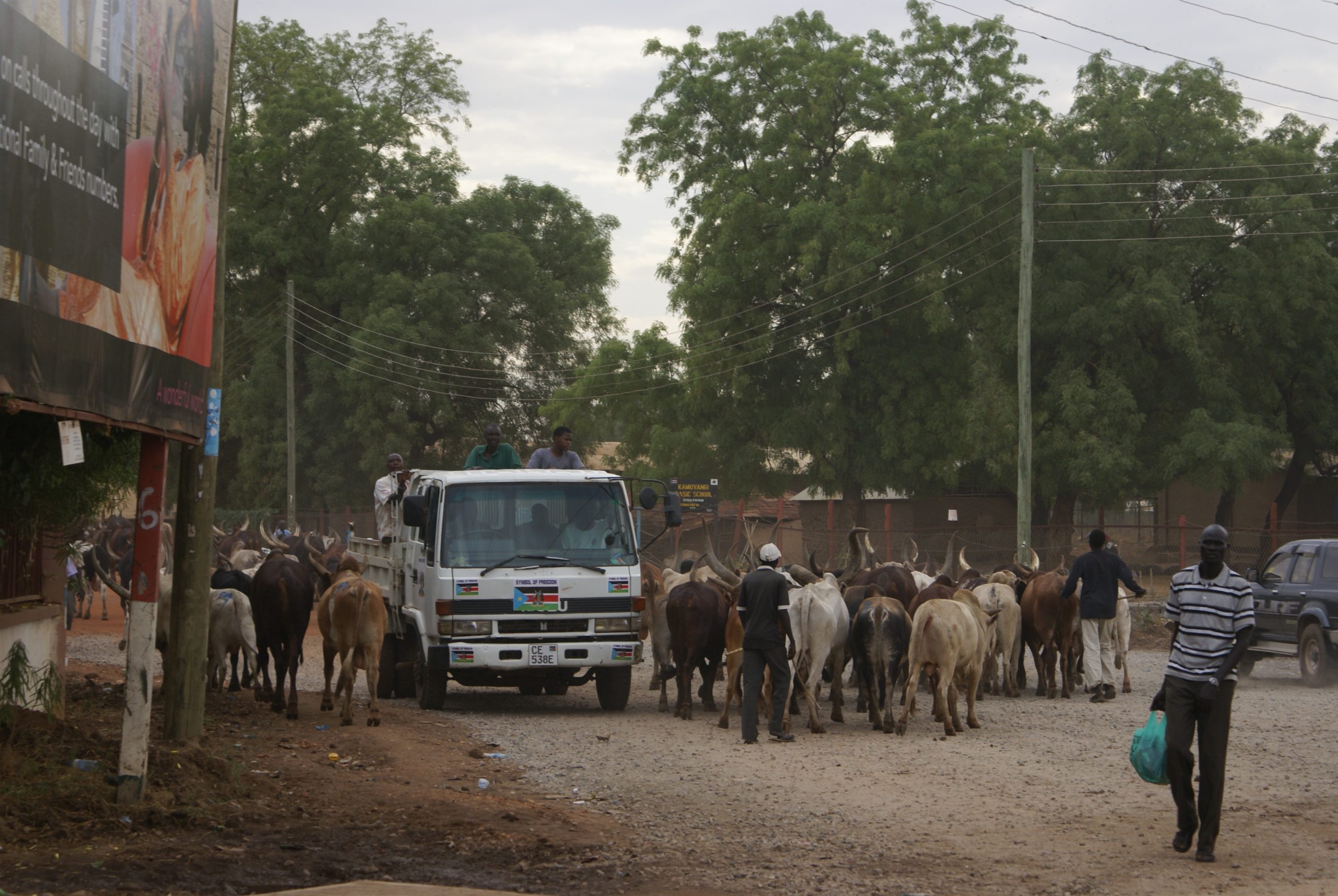
Photo credit: Archive photo of Dinka cattle in Juba, South Sudan, December 2010; not the Warrap attack. Ranjit Bhaskar / Wikimedia Commons, CC BY-SA 2.0. Source: Wikimedia Commons original and licence.

