

Analysis | NNW Bureau
A school, a livelihood or a health service can be a development achievement and something a climate shock puts at risk. A new UN-convened expert report argues for treating those connections more deliberately when governments plan and finance adaptation.
UN DESA’s 13 November account of the Fourth Global Report on Climate and SDGs Synergies describes evidence that existing systems such as social protection and insurance can reduce losses. It also stresses limits: protection that works in a moderate event can weaken when a shock becomes more severe or prolonged.
Examples include anticipatory cash before Bangladesh’s 2020 floods and the limits of farm ponds during longer dry periods in northern India. These are context-specific findings cited by the report, not universal estimates of what every programme will achieve.
NNW’s analysis is that this changes the question asked of an adaptation budget. Instead of counting only a designated climate project, decision-makers can ask what essential service or household capability the spending helps preserve. Timing matters as well: support delivered before a disruption and support arriving afterwards have different functions.
Combining agendas should not mean counting the same benefit twice or declaring all development spending climate-proof. It calls for explicit assumptions, evidence of outcomes and recognition of the point at which protection fails. The report offers a framework for those choices, while deep emissions reductions remain necessary. Its relevance to the Global South lies in making scarce finance answer to the development outcomes people need to retain.
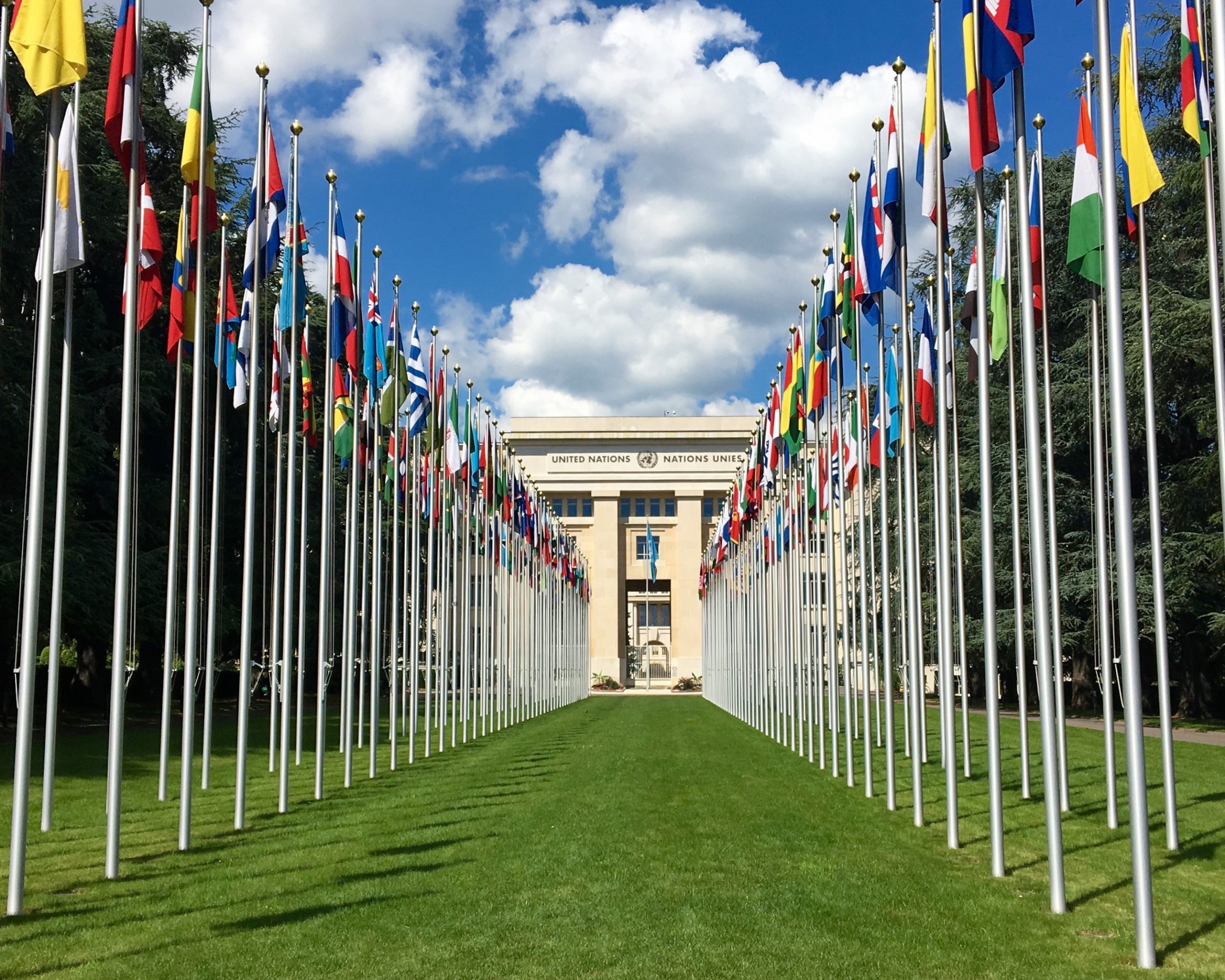
Photo: Groov3 / Wikimedia Commons, CC0 1.0

