

A local climate plan becomes consequential when it shapes spending and services. Mozambique’s new adaptation initiative is intended to connect community priorities with investments and the public planning systems that support them.
UNDP reported on 12 November that the government had launched a US$9.5 million, six-year programme supported by the Global Environment Facility’s Least Developed Countries Fund. The Ministry of Agriculture, Environment and Fisheries leads the effort, with UNDP support.
The project focuses on Angoche, Guijá, Machanga, Moamba and Vilankulo, spread across five provinces. It is expected to benefit at least 25,500 people directly, with women accounting for 53 per cent of that target. These are programme expectations, not verified results already achieved.
The design also includes strengthening provincial and district capacity to incorporate climate risks into planning and budgeting. That matters because adaptation involves choices about existing development activity as well as stand-alone projects. A local priority must survive the move from consultation to an approved budget and then to implementation.
For other developing countries, the programme offers an example to follow through its delivery stages. Useful future evidence would show which priorities receive investment, how beneficiaries are reached and whether local authorities can maintain the activities. The launch establishes an institutional and financial framework. Its contribution to livelihoods and resilience will need to be assessed as implementation proceeds.
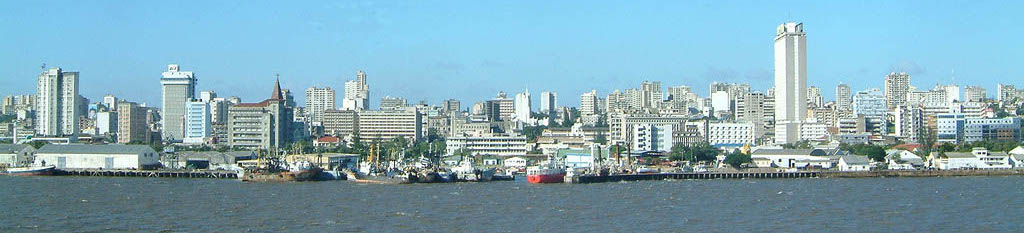
Photo: Andrew Moir; panorama by Dr Brains / Wikimedia Commons, CC BY 2.0

